Pages

Friday, September 19, 2014

First Annual Information Literacy Boot Camp

     Seventh graders embark on research projects in several of their courses during their first year at Northwest, and the teachers and I agreed that there was a need to align these projects so that students learned a process for research and then logically built on those skills as the year progressed. However, we recognize that students come to Northwest with varying degrees of familiarity with the research process. For this reason, we decided that an Information Literacy Boot Camp in the first month of school would be beneficial for ensuring that all students had a foundation for research and some experience in 5 core skills:
  1. Creating and refining research questions
  2. Selecting and modifying keywords for effective searching
  3. Evaluating information sources based on the C.R.A.A.P. criteria
  4. Note-taking in Easybib (We have a paid subscription to Easybib so that students can create accounts and save their work in projects here. This is the same platform they will use as high school students in our district.)
  5. Citing Sources in Easybib
     7th grade literacy teachers (Anah Austin and Jess Harris) and I worked together this summer to create lessons that addressed all these skills and implemented the 9-day Boot Camp from September 2nd-12th. After the Boot Camp we asked students to reflect on their own level of comfort with the skills we addressed and respond using Google Forms:

 
     Although, these numbers reflect students own thinking about their research skills, they will still give us a baseline to look at growth throughout the year as they embark on 4 research projects in their core curricular areas of Literacy, Language Arts, Science, and Global Studies. We plan on administering this same form towards the end of the year.
 
     Overall, I think the Boot Camp was very successful. Next year we will be changing the pacing of the unit by breaking the lessons into 2-day blocks of time over the course of 3 to 4 weeks. We felt the students lost focus at the end, and needed to have some of the routine of the regular classroom environment so early in the year. We also plan to refine our essential learning outcomes and implement more differentiated instruction strategies so that students are able to pace themselves through the lessons. We found this to be especially necessary during the Easybib note-taking and citation lessons and will address our problems by making a series of short instructional videos so that students can move through the skills at their own pace and review key concepts. (For example, citing an image or creating a project.)

New Year, New Library


     When I began working here two years ago I knew that the physical space of our library had a lot of potential and that a critical component in fostering a collaborative environment for students and staff was an updated look and arrangement. We already completed our first major unit in the library with the first ever Information Literacy Boot Camp, and the library is consistently booked for the first trimester. I think teachers are attracted to the new space and the way the design can be used to enhance the projects and inquiry they are already engaging in. I know that this space will continue to impact student learning this year. I am feeling so thrilled about our library renovation and thankful for all of the generous donations from parents, students, and community members that made it possible!

Before
After
 Our main goals with the renovation project were: 
  1. New, lower shelving for increased visibility and a more open space.
  2. Mobile work tables designed for individual and collaborative work.
  3. Whiteboard tables for creative group work.
  4. New flexible seating options.
  5. Mobile device charging station.
  6. Centrally located circulation desk.
  7. New carpet and paint to create a less institutional feel.
  8. Murals of Northwest students to foster a sense of community.
  9. Salt water aquarium to bring elements from the natural world into our window-less library.
Although, there is always more we could achieve, we met all of my goals for the renovation and then some.

  • Our new teaching area is completely flexible, all tables and chairs are on wheels. The uniquely shaped tables offer many opportunities for small and large group work.
  • We moved the circulation desk to the center of the library which left us with a large space that had previously been off limits to students. We were able to create a reading nook and work area that include counter-height tables, soft seating, and a charging table for personal devices. This has quickly become a very popular section in the library.
  • A 66 gallon saltwater aquarium was donated to the library. Because our library has no windows, we really felt that we needed a way to bring the nature inside. The students absolutely love this addition and we have begun an Instagram contest to decide which literary characters the fish will be named after. One of our science teachers, Dan Hill and the ecology club are going to take most of the responsibility for the care and maintenance of our tank.
  • Our new, large photographs are quite popular. Students were either thrilled to be featured in them, or wondering how they can be in the future. :)
  • The new magazine boxes are a particular favorite of mine. They make it very easy for our students to locate and use the older issues of our magazines.
New Tables and Rolling Seating
Reconfiguring the tables


Counter-height seating
 
New Photographs
Salt-water aquarium

Magazine Boxes

Magnetic Poetry Board

Charging Table
 
Reading Area

Slat Wall for New Books

Dry Erase Tables


Tuesday, March 18, 2014

Counting by 7s


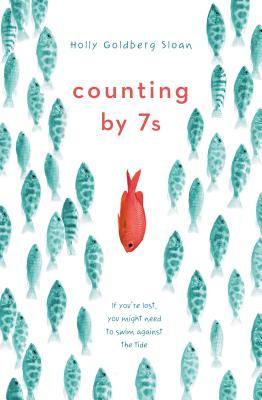
Although I am not going anywhere exciting for spring break, I have been looking forward to reading a stack of books that have been sitting on my coffee table for a few weeks (oh, and parking downtown wherever I want!). I started with Counting by 7s by Holly Goldberg Sloan.  In the first chapter of this powerful book, Willow loses her adoptive parents in a car crash. She has no family and very few friends and is taken in by a Vietnamese family she had recently met at her school counselor's office. I think this book is very well written.  Willow is an extremely gifted teen, and we get a very close look at what goes on inside her head. I like this about the book because her brain works in a very different way than mine.

I will say, I was disappointed in the last few chapters.  I thought the ending was a little too tidy. I don't want to say too much more about that, but if you read the book, I would love your opinion. Happy spring break!

Thursday, January 23, 2014

Evolving Infectious Disease Research Collaboration

      Our perennial disease research unit is on my mind year round.  This important and established collaboration between the school library and our 7th grade science teachers lasts throughout the entire months of December and January and is an important opportunity for me to establish some basic research skills with all of our 7th graders (340 students, 12 sections).  Since I began at Northwest in 2012 and have worked on this project, I am conflicted with my desire to pack as many skills into this unit as possible while creating a meaningful and well-crafted approach to research for our 7th graders who have not have much experience delving into this process from start to finish.  While I think there is much improvement to make with this project, I am especially proud of how this project has grown this year.

      We began the unit by talking about infectious diseases and their impact on global health.  I showed the students the Global Burden of Disease compare chart, and this proved to be a really compelling and visual way to show the global disparities that exist (http://viz.healthmetricsandevaluation.org/gbd-compare/).  This chart measures the ways in which people die and how that changes based on geographical region and age. For me, the ways in which infectious diseases are effecting people globally and in different ways regionally is one of the most compelling things about this research.  Very little time goes by before I hear something about these diseases on the news or in my Twitter feed and I wanted to find a way to convey the scale of these global health issues to our students.


      The students were asked to consider an essential question related to infectious disease.  The teachers and I really wanted to move away from the old model of disease research where the students select one disease and then learn what they can about it (symptoms, transmission, causes etc).  We show them sites like Mayo Clinic and Teen Health and Wellness that lay these facts out for them in such a clear way, it just seemed that we were missing an opportunity to ask them to think more deeply about these global health issues that are affecting people worldwide.  The questions we asked them to select from were:


  1. What kinds of conditions promote outbreaks?
  2. To vaccinate, or not to vaccinate?
  3. How do diseases infect the body?
  4. Why are there diseases that we cannot eliminate?
  5. What realistic possibilities are there for bioterrorism in the future?
  6. What is the relationship between climate and disease?
  7. How does globalization impact the spread of disease?
  8. Where do new diseases come from?
  9. What does an effective public health campaign involve?
  10. How is our local community affected by infectious disease?
  11. What are some of the myths and misconceptions about infectious diseases commonly found today and why do these beliefs persist?
  12. Develop of question of your own and consult your science teacher.

       We then began to engage in research in the library for the next few weeks.  The students were encouraged to use the sites and databases I linked on the library's homepage and the eBooks we purchased this year for our library collection (http://www.symbaloo.com/mix/diseaseresearch).  I had already introduced the students to Easybib (which Northwest has a subscription to) in Language Arts this year so they were familiar with citing books, websites, and interviews.  We expanded on these skills by showing them how to use Easybib to organize their notes and cite eBooks, images, and databases.  Before winter break, all students were to have around at least 30 note cards of information that they would be able to create a project with.  The students are now very comfortable taking notes this way and citing sources with Easybib.  They especially enjoyed organizing their notes visually and color-coding them.


     When we returned from break the students were asked to select a project they would like to complete using Prezi, Weebly, Comic Life, or Windows Movie Maker.  We encouraged the students to think about the perspective they wanted to use to present.  Are they a news reporter covering an outbreak? Working for a public health organization? Part of an eradication campaign? Once the students selected their project, they attended a mini-seminar with me in our computer lab where I showed them how to use the program they selected.  For students that couldn't make it, or needed to be reminded about how to use these programs, I recorded several screen casts introducing the basic features of these programs to them (http://www.youtube.com/user/MissSpiering).  Once we began the project we spent some time talking about using/citing all of our images.  For this project students are required to not only cite all images, but to only use images from iClipart or other images they have found using a Flickr creative commons search that filters out images they do not have permission to use.  They have been very successful in finding what they need.


     Although, we are still working on these projects, the teachers and I can already see that the students are creating very interesting and diverse projects, and that they enjoy using these technology tools to create their projects.  We have work to do on this project next year.  For example, these questions that we posed were very difficult for many students to understand.  Next year, I want to spend more time at the front of the project generating questions from the classes and trying to find out what the students already know about infectious diseases (maybe using Padlet?).  I think this would eliminate a lot of the questions we were having on the first day of research and would also encourage the students to select more varied topics.

      Next week we will wrap up this unit and I will be getting some feedback from our students through a Google survey.  The responses and the finished products should provide us with some important insight into the kinds of changes we will make next year to this constantly evolving and important collaboration.

Thursday, January 9, 2014

Changes in the Library

     This summer, we are going to be undergoing some major updates in the library: new shelves, tables, and chairs.  Today we received some sample chairs from Tallgrass in Coralville. I really want brightly colored chairs to liven up our space!  I am also interested in chairs with wheels so that our classroom space is flexible and can be easily modified and adaptable depending on what is happening there.  Swing by the library and vote for your favorite!
Our 3 choices.  The chair in the middle will be green and will have wheels.